The Essence of Natural Plaster
Natural plaster is a time-honored material that can consist in a variety of combinations of four main ingredients: a binder, aggregate, fiber, and water. The type of binder (e.g. clay, lime, gypsum) typically defines the type of plaster it is.
Natural plaster can be applied to traditional stone walls, conventional drywall, natural wall systems like strawbale, or recycled materials such as Faswall blocks. Application can range from two- to three-coat systems depending on the substrate.
Clay or lime plaster give a depth and function that can’t be achieved using conventional latex paint. These materials are non-toxic, low embodied energy, help regulate humidity, and absolutely beautiful! A variety of finish techniques exist that suit the uses and ambience for different rooms and spaces- from textured to matte to high gloss.
Photos rarely capture the look and feel of natural plaster– the best way to truly appreciate the material and artisanal trade is to spend time in a plastered place and allow your senses to enjoy all it has to offer.
In the meantime, you can learn some characteristics of the different types of plaster and view examples of my work below!
Lime
Lime plaster can be applied to a variety of appropriately prepared interior and exterior surfaces. The desired function of the lime determines the type of lime material to be used and accompanying finishes. Lime cures into a hard and durable wall coating and can be left its natural color, pigmented, or ‘painted’ with limewash, a limestone based material applied like paint. Lime is highly breathable, mold-resistant, and washable when properly sealed.

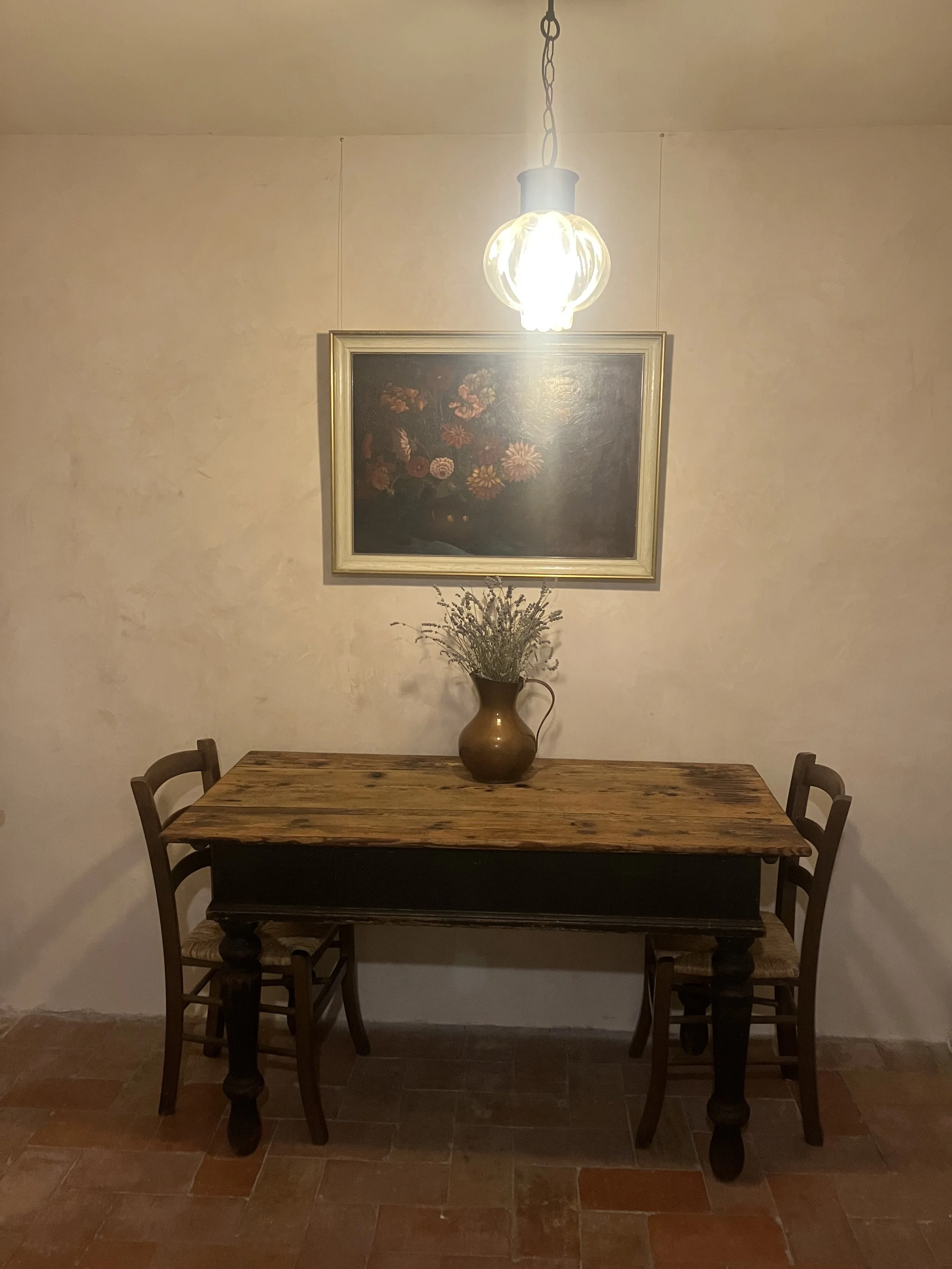
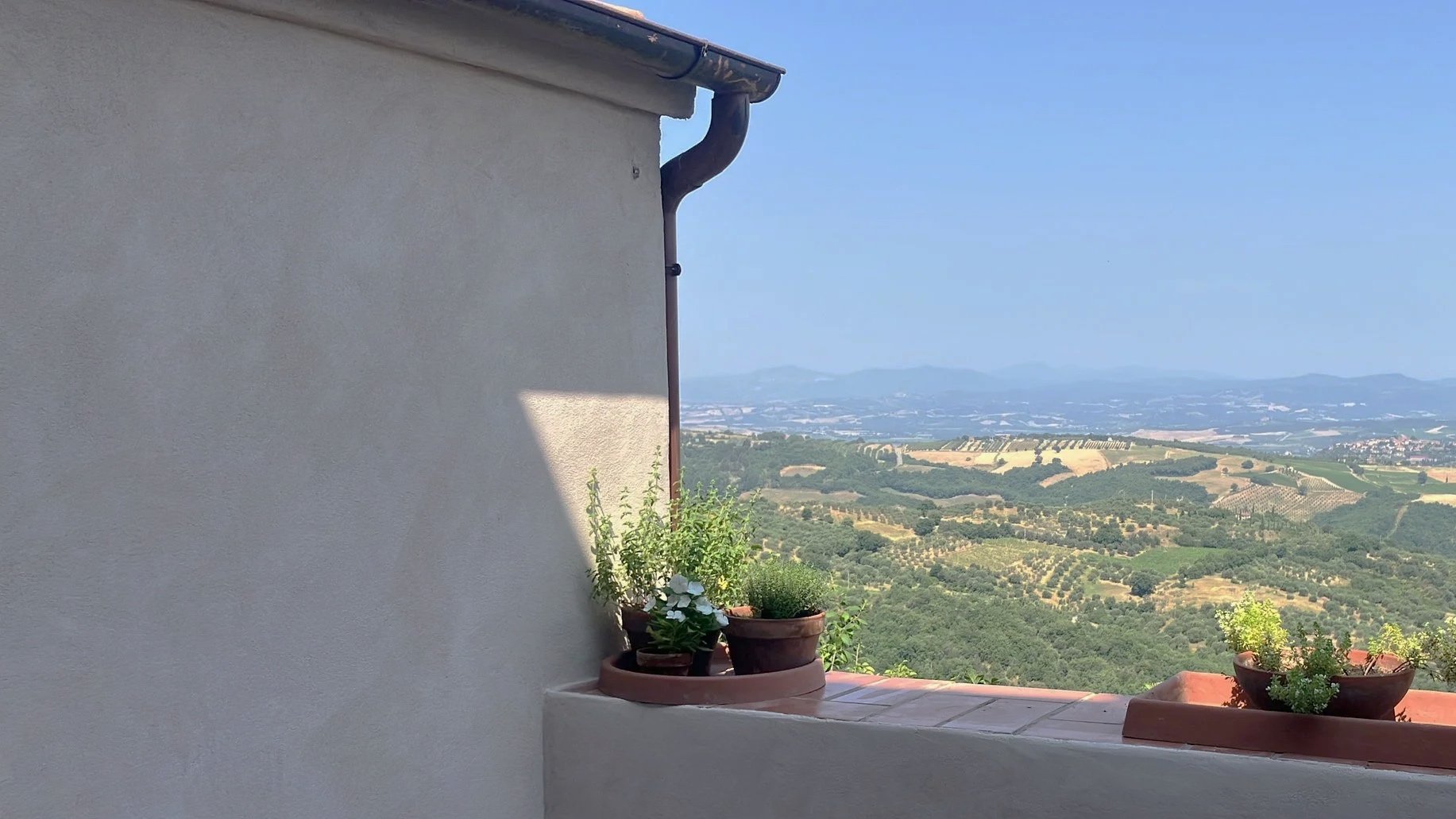
Unsealed interior and exterior Kerakoll natural hydraulic lime (NHL 3.5) plaster over stone construction. Tuscany, Italy
Pastellone with cocciopesto finish
A centuries-old Italian (Venetian) plaster finish used for waterproofing when sealed. Excellent for wet areas such as showers, bathroom walls, and kitchen backsplashes. Cocciopesto is crushed bricks or clay tiles and makes a breathable wall coating. The natural yellow or pink colors are derived from the bricks and tiles but the plaster can also be pigmented.
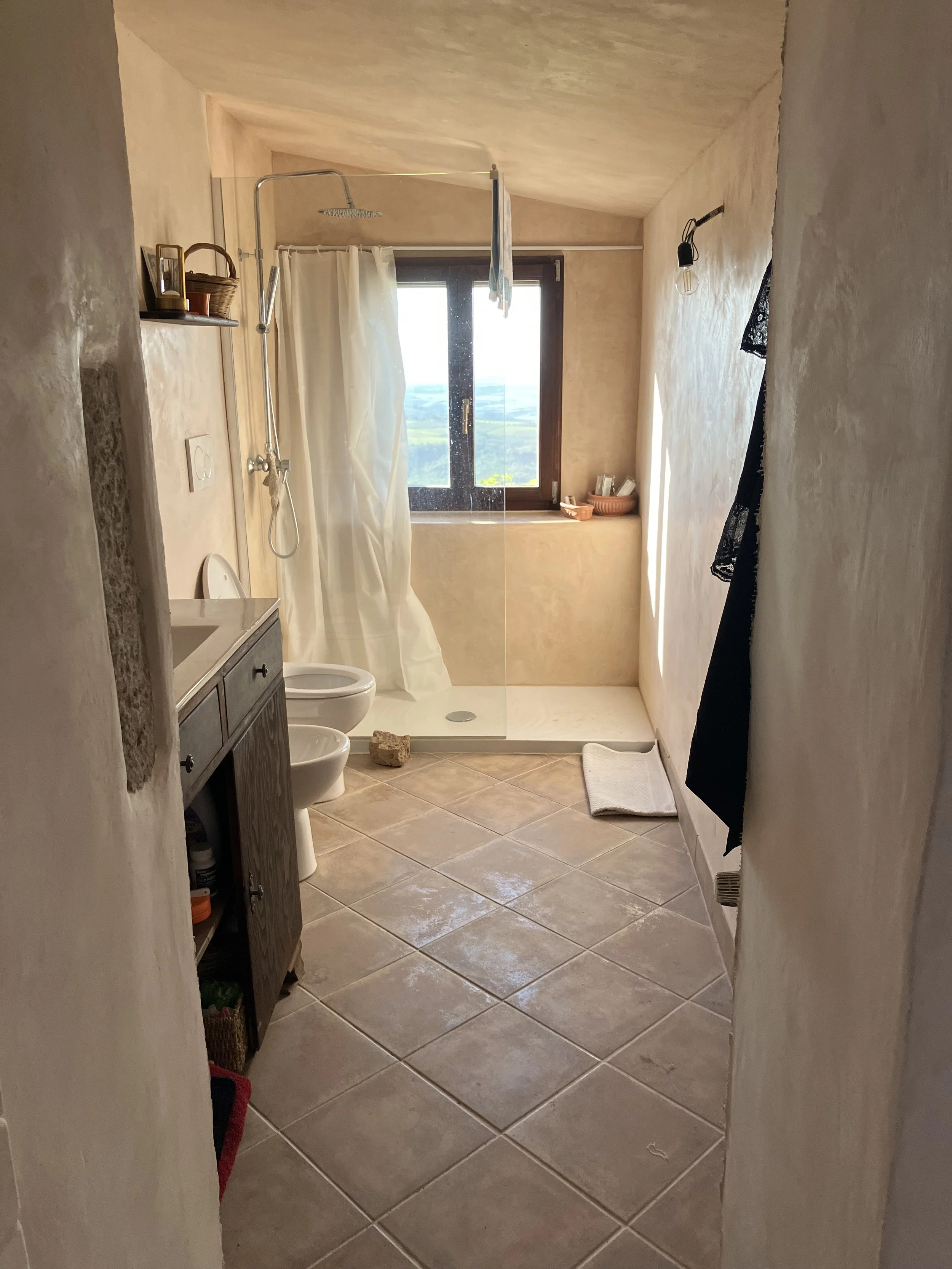
Sealed pastella and pastellina lime plaster over stone walls in bathroom with cocciopesto. Tuscany, Italy
Tadelakt finish
Tadelakt is also a centuries-old, traditional Moroccan waterproof lime plaster. It was used to create waterproofing finishes for hammams, cisterns, and fountains and today for showers and bathrooms. The technique of applying traditional Tadelakt with a stone creates a chemical reaction that results in saponification for waterproofing the lime paster. Typical Western products and applications rely on wax applications to create the same waterproofing with a trowel.
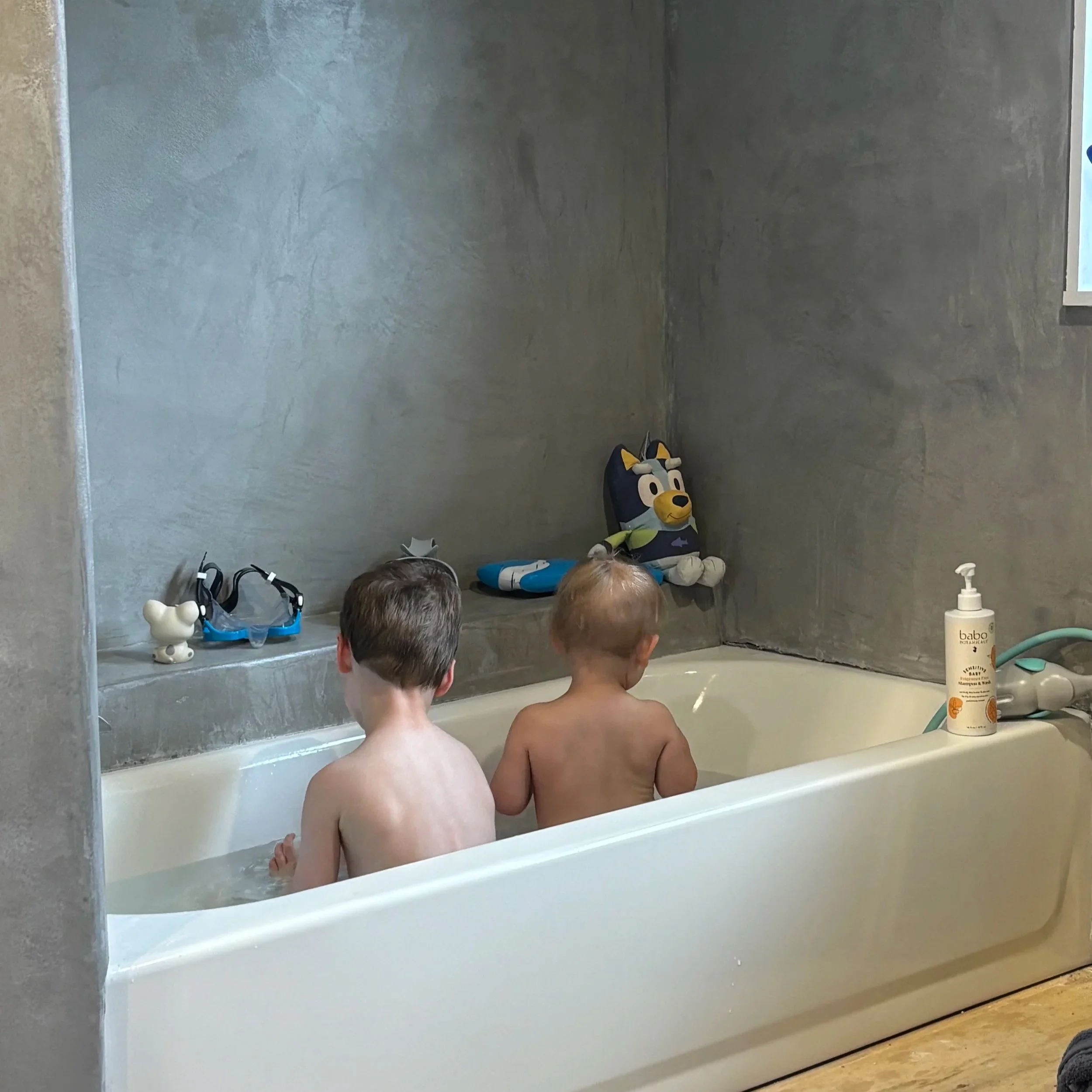
Sealed “Tadelakt” Earthaus Plaster Everett, Washington, USA
Clay
Clay plaster can be applied to a variety of appropriately prepared interior substrates. It is an excellent regulator of humidity and is typically the most easily reparable of binders depending on the finish style. It is also an excellent sculpting material.
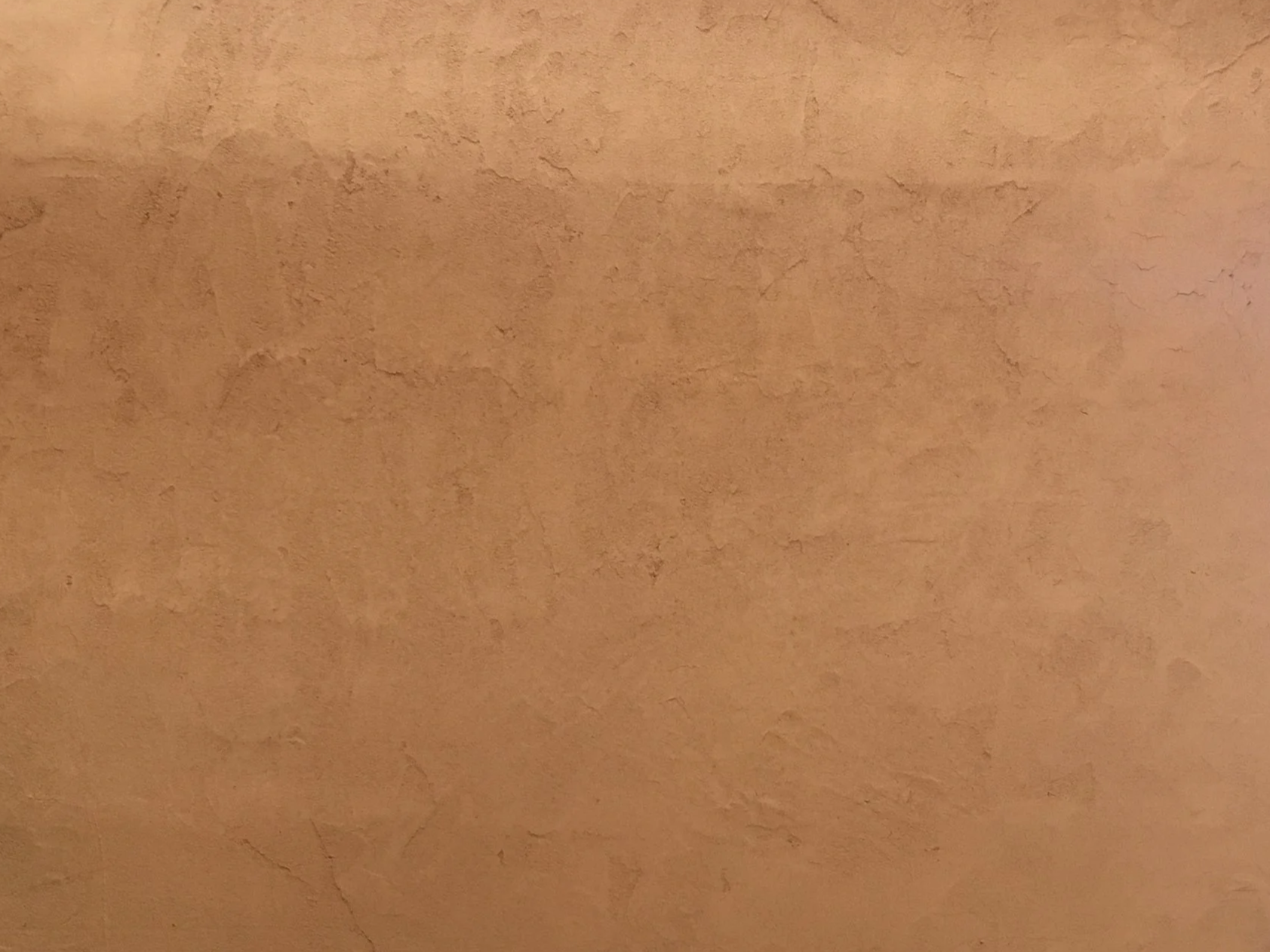
Gypsum
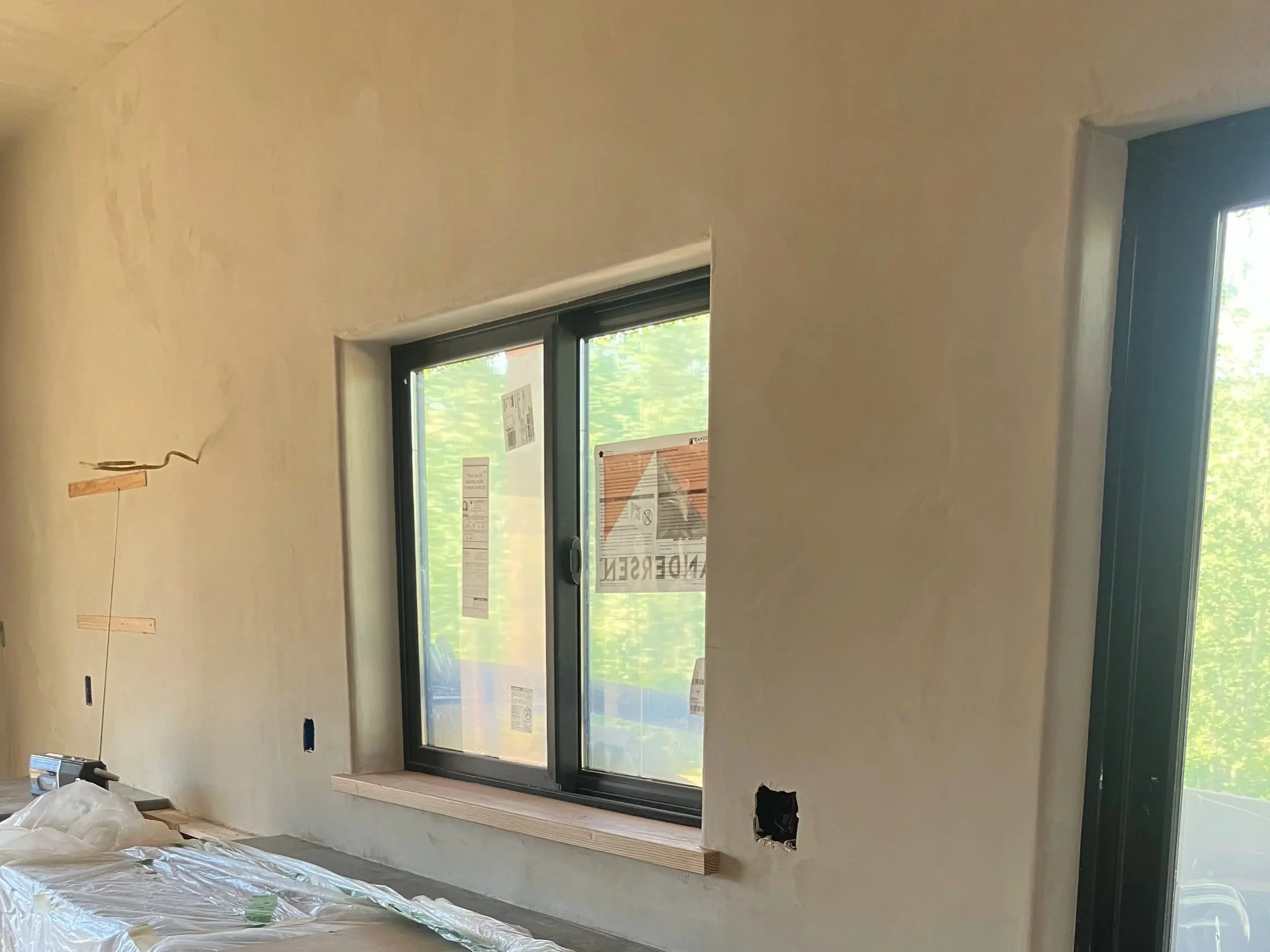
Gypsum is a hard, fast setting plaster used on interior surfaces. It has lower permeability than clay and lime plaster and can be pigmented to achieve a variety of colors.
Unsealed USG Imperial veneer base coat plaster in bathroom, Everett, Washington, USA
FAQs
-
Natural plaster is a durable, healthy, and aesthetically pleasing wall finish that adds depth, character, and instant beauty. From a production standpoint, it is far more ecological than conventional paint. While there are carbon emissions on the extraction of materials to make both paint and plaster, natural plaster is still the environmentally-friendly choice because it is not made with any plastic. Lime plaster sequesters carbon once it is applied and cures over time. From a health perspective, natural plaster is again the superior choice because of its ability to regulate humidity and all-natural raw materials.
-
In general, the up-front cost of natural plaster is typically a bit higher than conventional paint because of both the limited availability of plaster products in local stores (additional costs to the ship material, and the weight of the materials) and the labor in plaster application, which is also driven by the type of finish desired.
-
Plaster can be repaired like any other wall finish, however it is the type and extent of repair that determines the level of difficulty and who is best suited to do the repair. Oftentimes small cracks and chips can be filled in with fresh plaster and at others it might be best to replaster the whole wall.
-
Depending on the type of plaster, a change of color necessitates either replastering, or using silicate/mineral or clay-based paints. Gypsum can be painted with latex paint however it changes the function and feel of the plaster by diminishing the breathability and natural texture.
I am passionate about using natural materials in our built environment, preserving craft and trade skillsets, and the efficient use of our natural resources.